
Seoul’s transport system is so efficient it’ll make you cry thinking about your hometown. Clean, cheap, punctual, and extensive—it’s basically the opposite of every complaint you’ve ever had about public transport.
Seoul Metro (Subway)
The Basics
Seoul’s subway is 22 lines of pure efficiency. Over 300 stations, color-coded lines, and announcements in Korean, English, Chinese, and Japanese. If you can count to 9 and follow colored lines, you can navigate Seoul.
How to Use It
- Buy a T-Money card (₩2,500 + credit) at any convenience store
- Tap in, tap out—it’s that simple
- Base fare: ₩1,400 (~$1.50 AUD)
- Trains run 5:30 AM – midnight-ish
- Transfer between lines is free within the system
Survival Tips
- Download “Subway Korea” app—it’s brilliant
- Morning rush (7:30-9 AM) will introduce you to intimacy with strangers
- Evening rush (6-8 PM) is worse
- Priority seats (silver/pink seats) are for elderly/pregnant—don’t sit there unless you want death stares
- Stand on the right on escalators; walk on the left
- Wait for people to exit before boarding (or face the wrath of ajummas)
- Some stations are HUGE—allow transfer time
- Station exits are numbered; know your exit number to save walking
Pro Moves
- Screen doors mean no accidentally falling on tracks
- Most stations have bathrooms (generally clean!)
- Convenience stores in major stations for snacks
- Free WiFi throughout the system
- Some stations are attractions themselves (Gangnam, City Hall)

Buses
The Color Code
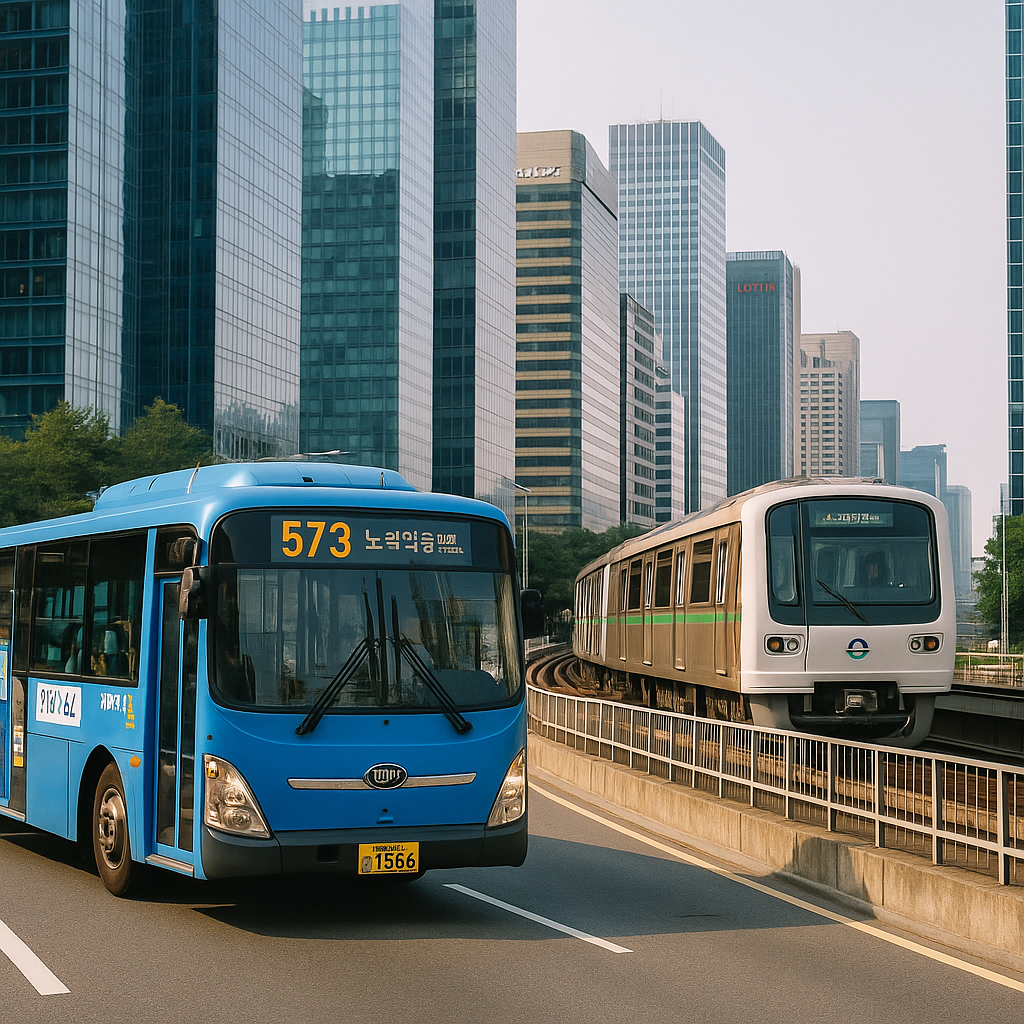
- Blue buses: Main routes, longer distances
- Green buses: Shorter local routes
- Red buses: Express, limited stops
- Yellow buses: Circular routes in specific areas
Honestly Though
Unless you’re staying long-term, stick to the subway. Buses are great but require local knowledge, and you can’t really enjoy the view while anxiously watching your stop approach. That said, they’re cheap (₩1,400-2,500) and extensive.
Taxis
Types
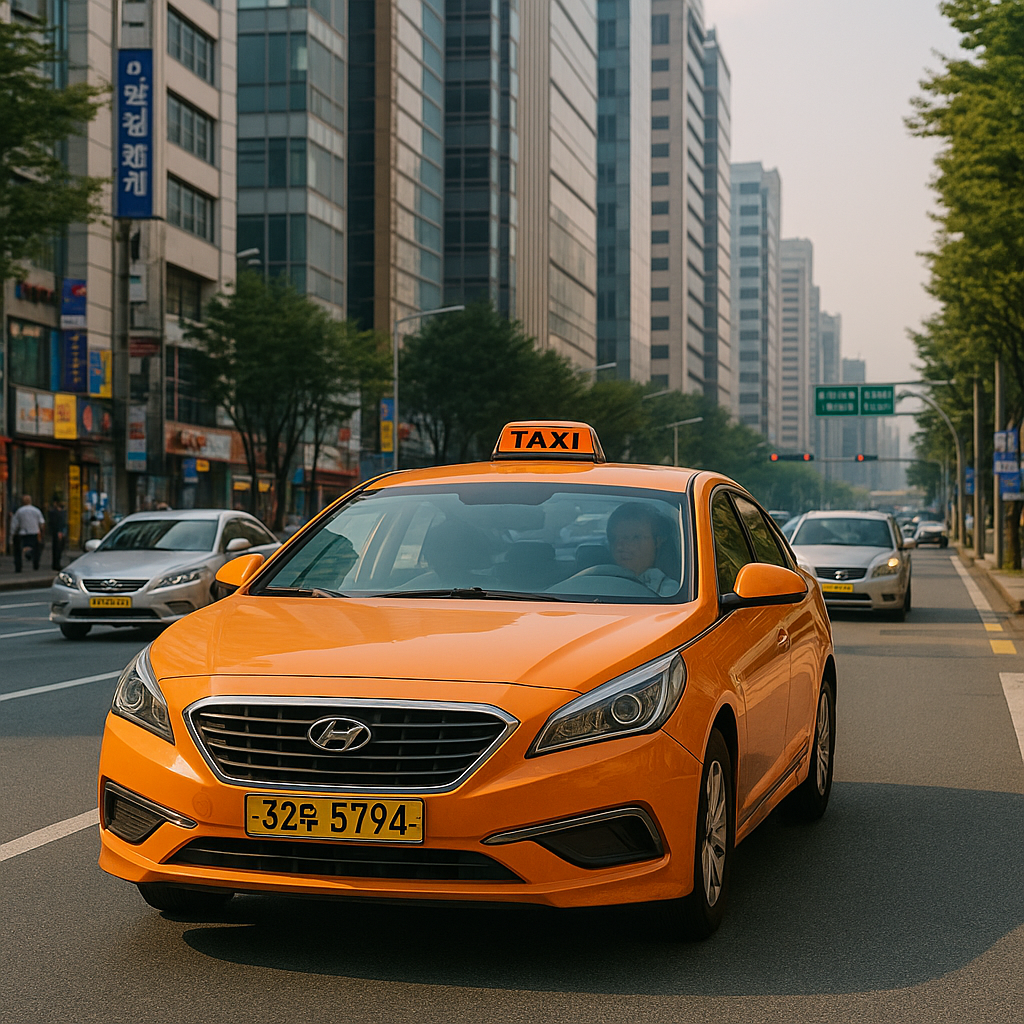
- Regular (Silver/White): Base fare ₩4,800
- Deluxe (Black): Fancier, more expensive, base fare ₩7,000
- International (Orange): Drivers speak English (theoretically)
How to Taxi
- Use Kakao T app (Korean Uber)—easier than hailing
- Have your destination in Korean or show address on phone
- Taxis are metered and honest (generally)
- Card payments widely accepted
- Tipping not expected (hallelujah!)
When to Taxi
- Late night after subway closes
- If you’re in a group (splits 4 ways = cheap)
- When hauling shopping bags
- If you’re lost and emotionally done with navigating
Taxi Warnings
- Some drivers don’t speak English (use Papago translation)
- Traffic is bad; subway is often faster
- They might refuse short trips during rush hour
- Going to a different “gu” (district) sometimes requires negotiation
T-Money & Payment Cards
T-Money Card: Your magic ticket to everything. Works on subway, buses, taxis, and even some convenience stores. Buy at convenience stores (GS25, CU, 7-Eleven), top up anywhere, and tap your way through Seoul.
Cost: ₩2,500 for card + however much credit you want
Alternative: Many credit/debit cards with contactless work on transit now (check if yours does). Korea also has Cashbee cards (similar to T-Money).
Other Transport Options
Bike Sharing (Ddareungi/Seoul Bike)
Seoul’s bike-share system has stations everywhere. Great for Han River paths and flat areas. Hills? Less great. You’ll need a Korean phone number to register, so tourists might struggle here.
Car Rental
Don’t. Seriously, just don’t. Traffic is chaotic, parking is expensive and scarce, everything is in Korean, and you’ll hate yourself. Only consider if going outside Seoul on road trips.
Walking
Seoul is surprisingly walkable for a megacity. Neighborhoods like Bukchon, Insadong, and Hongdae are best explored on foot. Wear comfortable shoes—you’ll walk 15,000+ steps daily without trying.
Transport Apps You NEED
- Kakao Metro: Subway navigation (better than Google Maps here)
- Kakao T: For taxis
- Naver Maps: Better than Google Maps in Korea
- Papago: Translation app (also by Naver)
Getting To/From Incheon Airport
Airport Railroad Express (AREX)
- Express train: 43 minutes to Seoul Station (₩9,500)
- All-stop train: ~60 minutes, cheaper (₩4,750)
- Runs 5:15 AM – midnight
Airport Limousine Bus
- Goes to major hotels/areas (₩10,000-17,000)
- More comfortable than train
- Takes longer due to traffic
- Runs 5 AM – 11 PM-ish
Taxi
- To central Seoul: ₩60,000-90,000 ($65-100 AUD)
- Fixed fare to some areas
- Takes 60-90 minutes depending on traffic
Pro Tip: AREX Express to Seoul Station, then subway/taxi to final destination usually wins for speed/cost balance.
Transport Etiquette
- Don’t eat or drink on the subway (it’s rude)
- Keep phone on silent
- Don’t talk loudly (inside voices, please)
- Let people exit before you enter
- If someone elderly boards, offer your seat
- Hold your backpack in front of you when crowded
- Don’t block doors
- Stand clear of closing doors (they’re aggressive)
Bottom Line
Seoul’s transport will spoil you. You’ll return home and wonder why your city can’t get its act together like this.